Preparing for Wildfires: Protecting Your Home from Smoke Damage
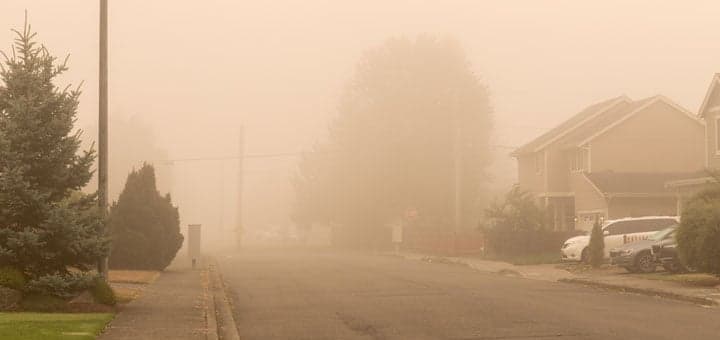
Wildfire season feels all too frequent every year. Whether in California or Canada, the effects of wildfires are devastating to those who live near them.
That said, negative consequences of wildfires can extend for hundreds of miles depending on the size and strength of the blaze. In recent years, areas far from the actual fires have had the sun hidden by an orange haze, triggering respiratory symptoms from the smoke particles in the air.
Some of those smoke particles can also make their way into your home, where they get circulated throughout your home by air ducts. This is an area we can help. First, let’s talk about how to minimize your exposure to these smoke particles. 
Minimizing the Risk of Smoke Exposure:
The tricky part of this is that smoke can get into your house in ways you might not think about.
Here’s a list of tips for preventing smoke from entering your house:
Create a Defensible Space: If you live in a wildfire-prone area, clearing dry vegetation, debris, and other flammable materials around your property creates a defensible space. This space acts as a buffer zone, helping to reduce the likelihood of fire and smoke reaching your home.
Install Fire-Resistant Materials: Similarly, for those who live in the vicinity of potential wildfires, opting for fire-resistant building materials, such as Class A roofing, can help prevent fire and smoke from penetrating your home's exterior.
Seal Openings and Gaps: If you live in an area where outdoor air quality is affected by wildfire smoke, seal any gaps or openings in your home's structure, such as vents, windows, and doors, to prevent smoke from seeping into your living spaces.
Protecting Your HVAC System:
You’ve done everything you can to prevent smoke from getting inside your house, but ultimately, some will still get in. Here are some ways you can keep it from overtaking your HVAC system.
Regular Filter Changes: Change your HVAC filters regularly, following the manufacturer's recommendations. Use filters with a higher rating, such as MERV 13 or higher, which are designed to capture smaller smoke particles effectively.
Sealing HVAC Intake: Create a seal around the HVAC intake to prevent smoke from entering the system. Use weatherstripping or sealant to close any gaps between the intake and the surrounding wall or ceiling.
Professional Inspection and Maintenance: Schedule regular maintenance and inspections for your HVAC system. Our air duct cleaning dislodges and removes small particulates, like the leftovers from smoke particles.
Importance of Filter Maintenance:
We already mentioned this above, but filters are a crucial line of defense against smoke. Here’s why:
Capturing Smoke Particles: High-rated filters are designed to capture smoke particles more effectively, catching them before they circulate throughout your home.
Regular Filter Replacement: Replacing the filters ensures they can continue functioning efficiently. Clogged filters reduce the system's performance and allow smoke particles to bypass the filter, which then allows them to enter your living spaces.
Indoor Air Quality: By taking the previous two steps, you’ll have clean and effective filters that have the best chance of capturing harmful smoke particles before they affect your indoor air quality. These high-quality filters can also help remove allergens and other pollutants more effectively, reducing other respiratory triggers.
For the most comprehensive solution, consider installing an in-duct air purifier system, like PROformance™, that uses UV-C light to remove particulates like wood before they enter your home.
Given the ongoing threat that wildfires and their smoke pose to homes and communities nationwide, we encourage you to stay well-informed about local guidelines and diligently follow expert recommendations whenever wildfires impact your area.